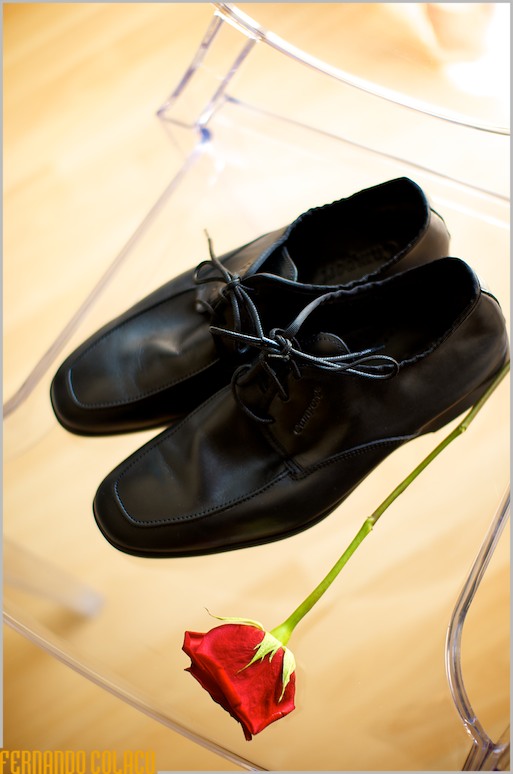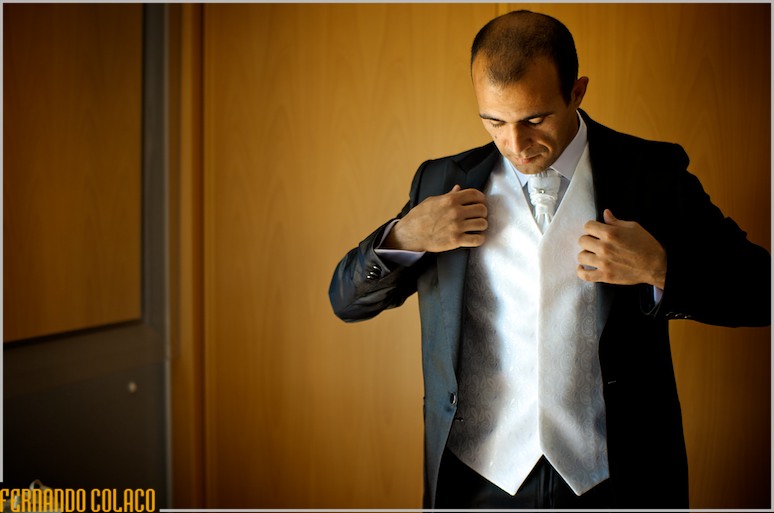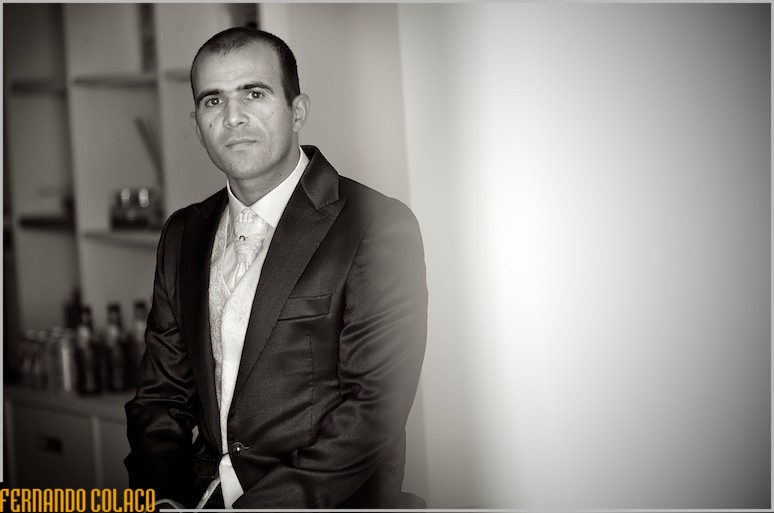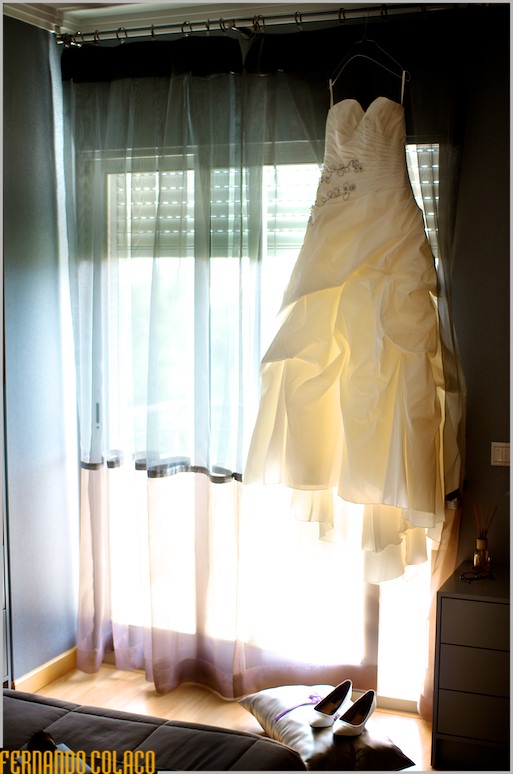
MONUMENTAL SPACES by THE WEDDING PHOTOGRAPHER IN FÁTIMA
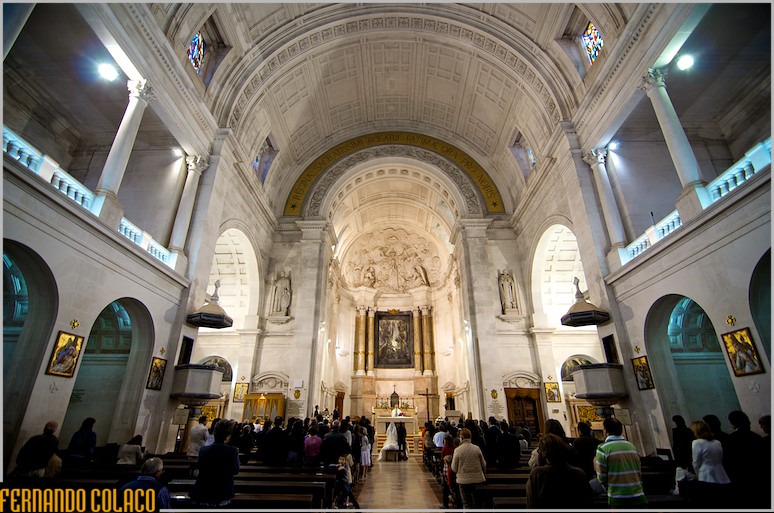
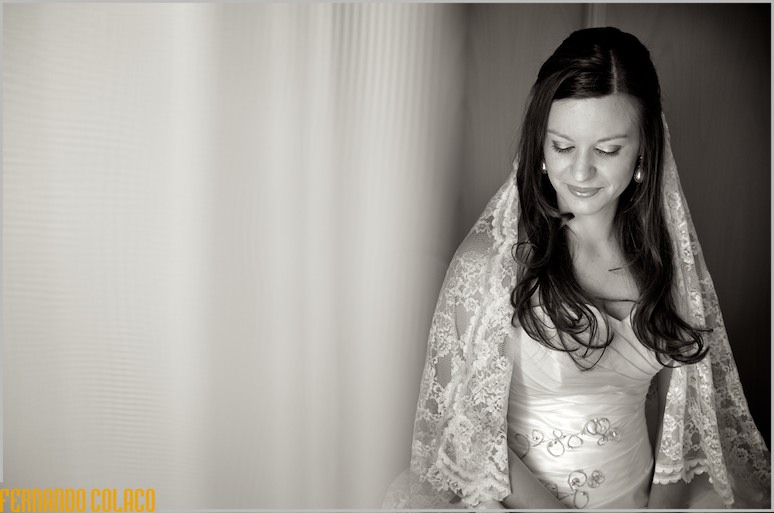
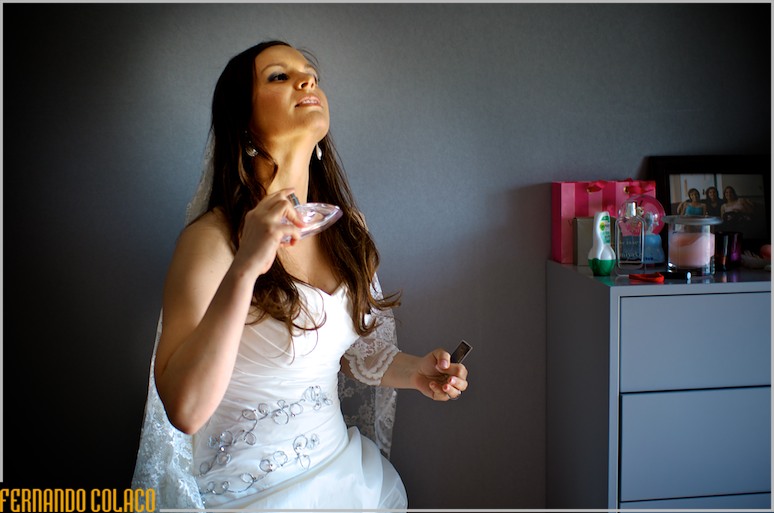
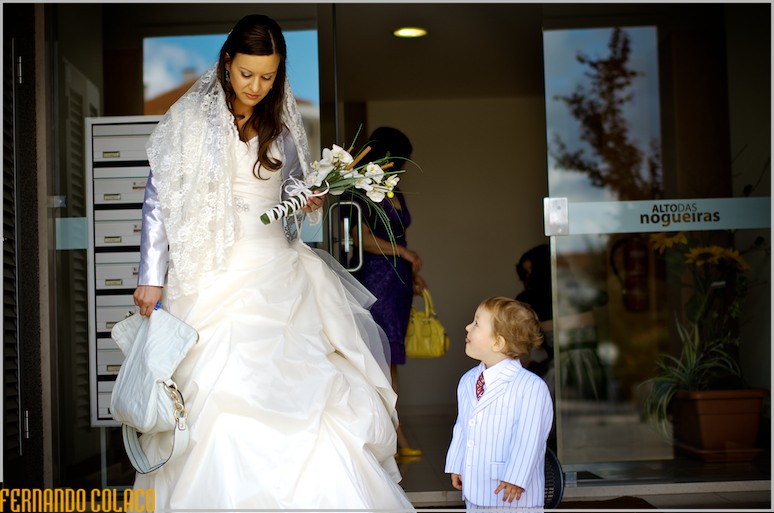
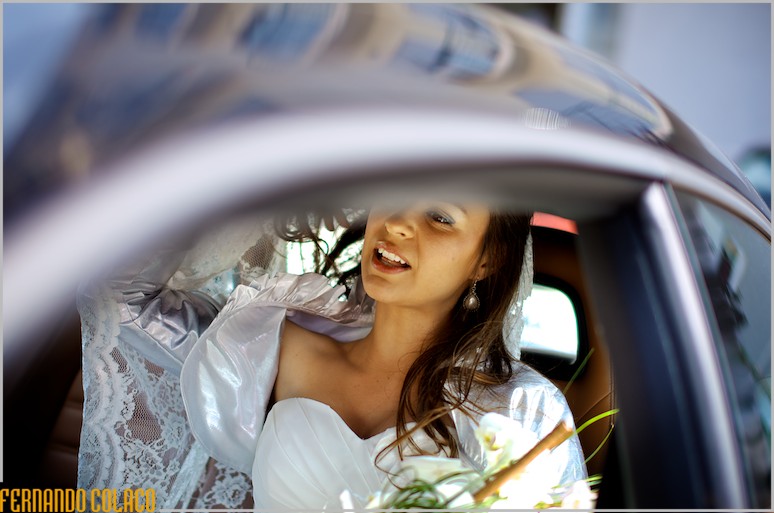
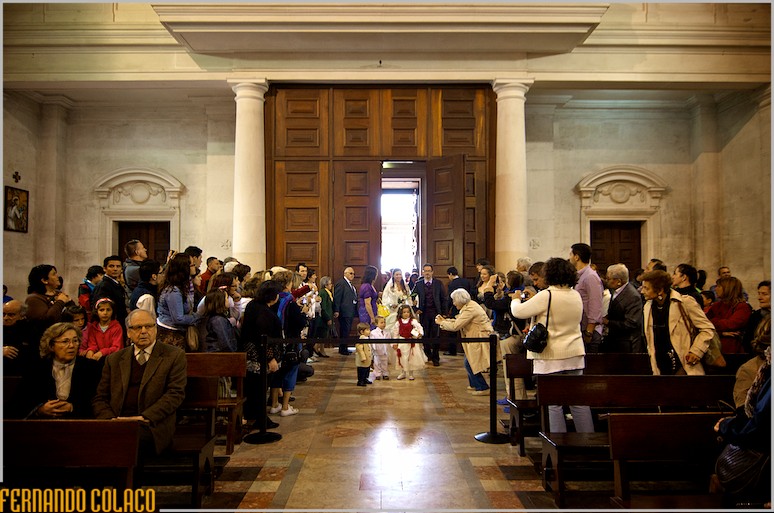
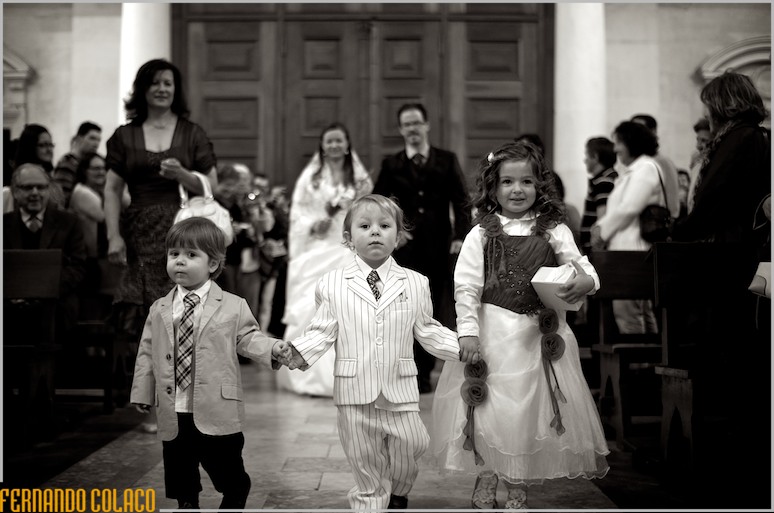
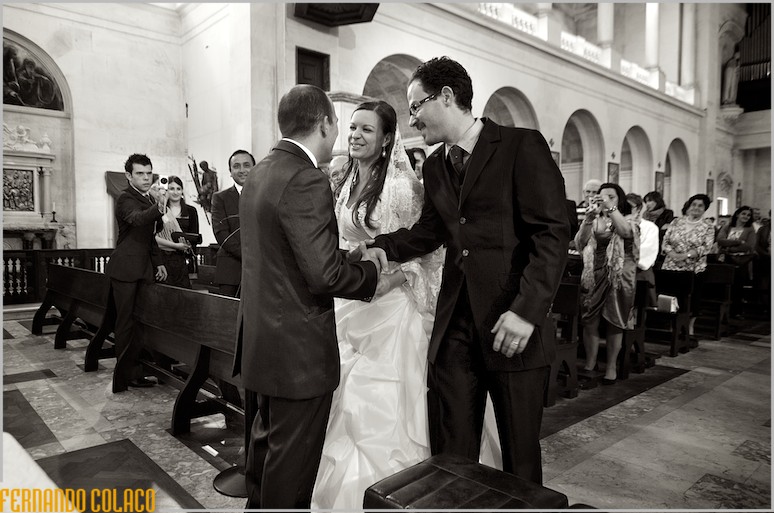
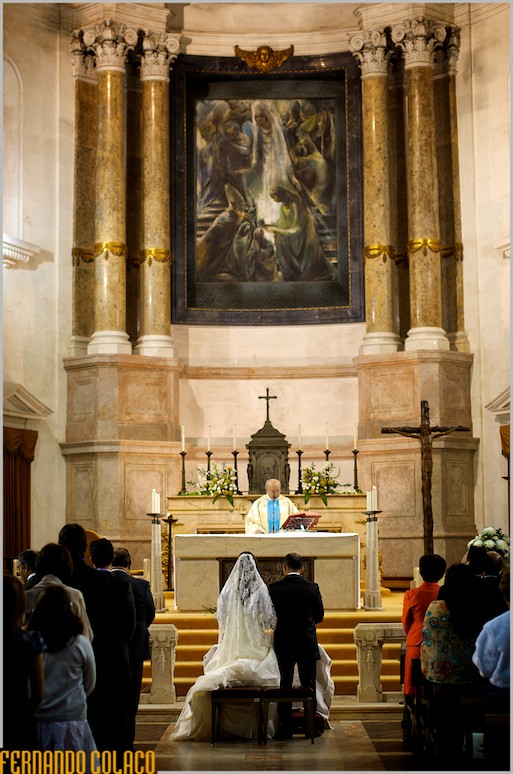
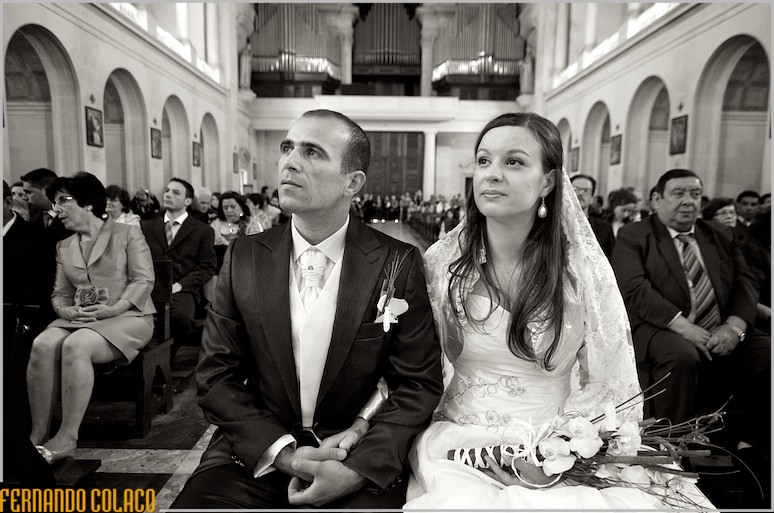
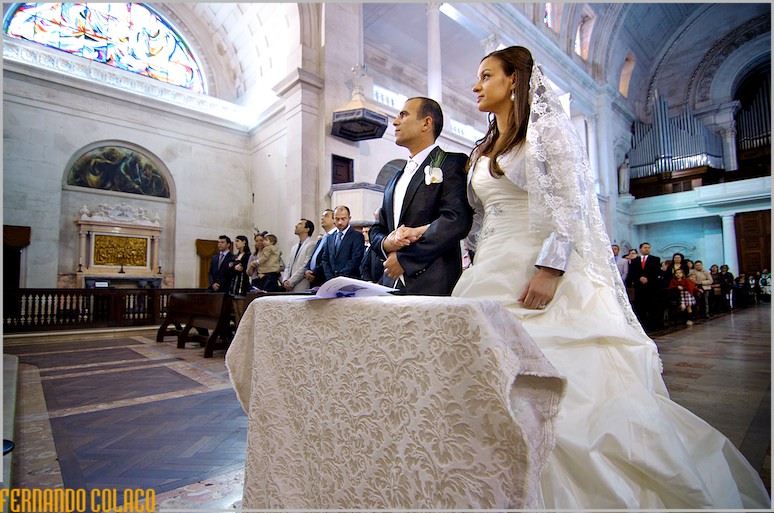
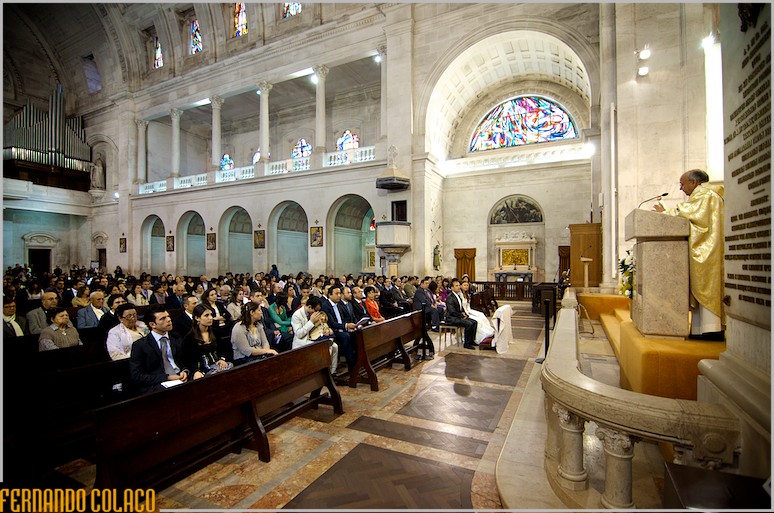
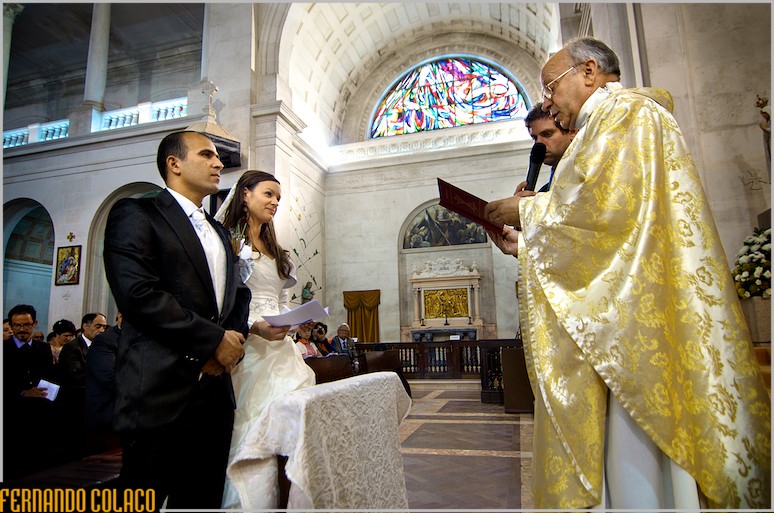
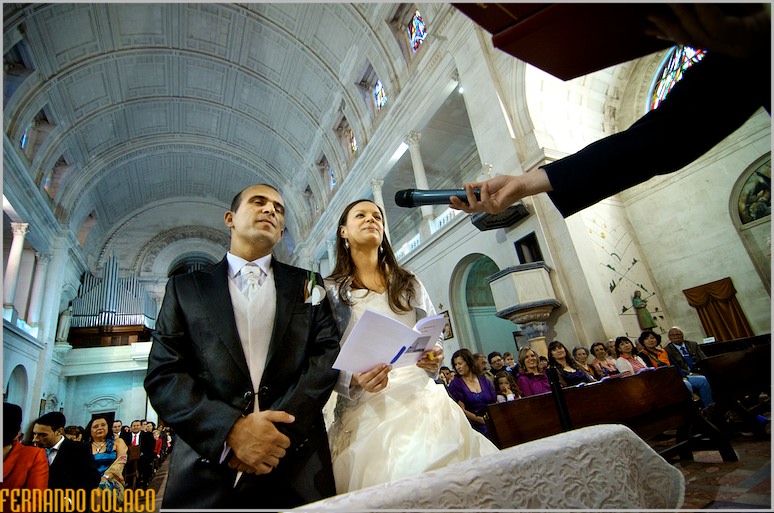
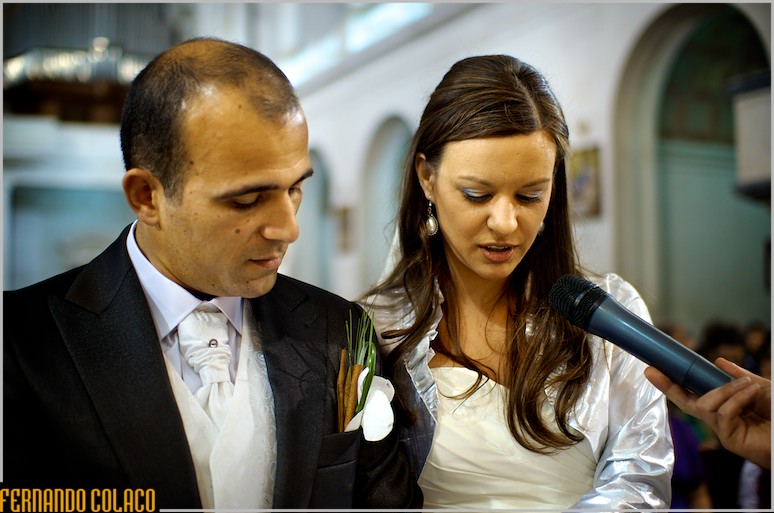
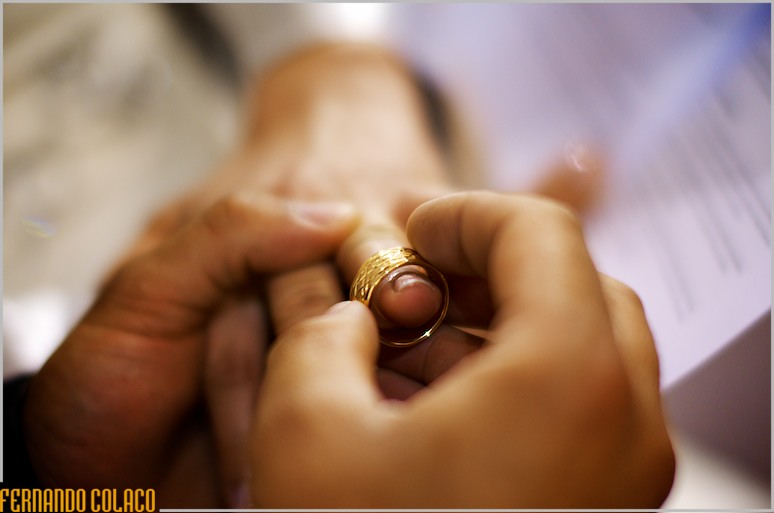
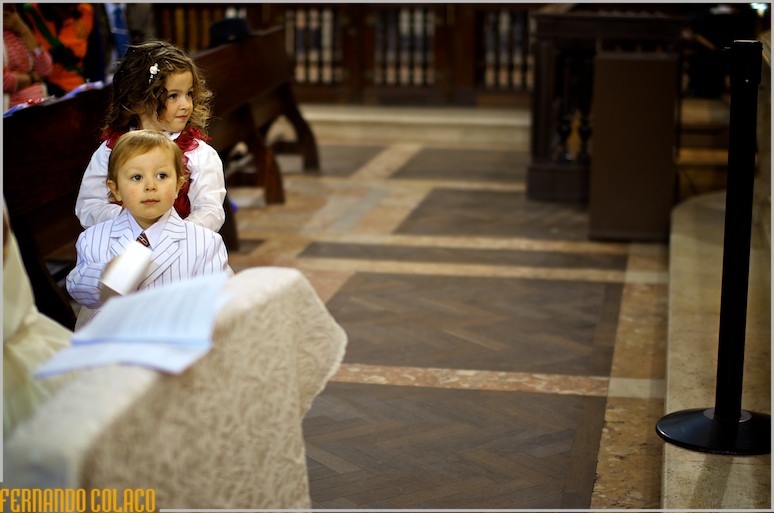
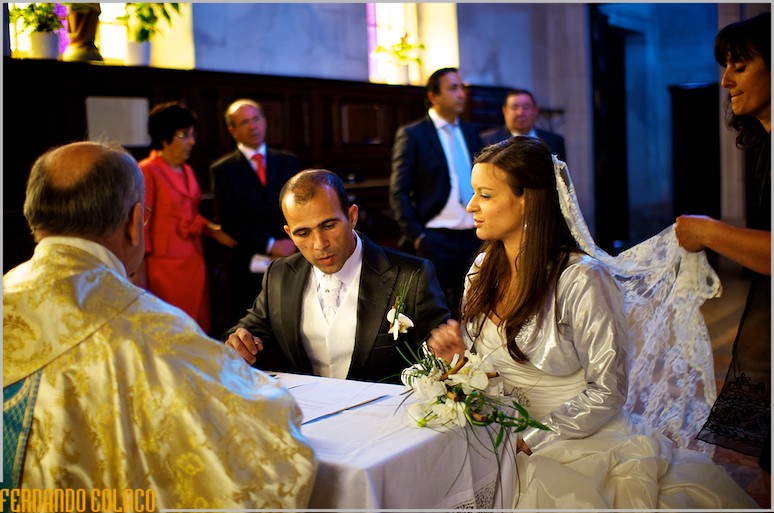
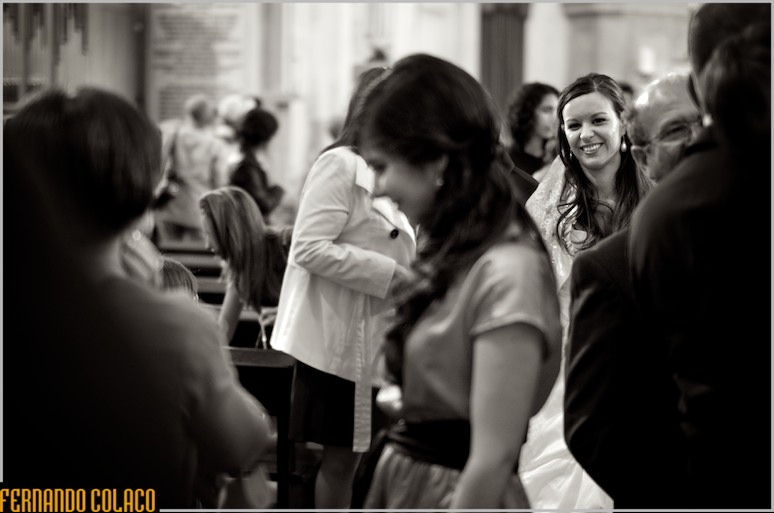
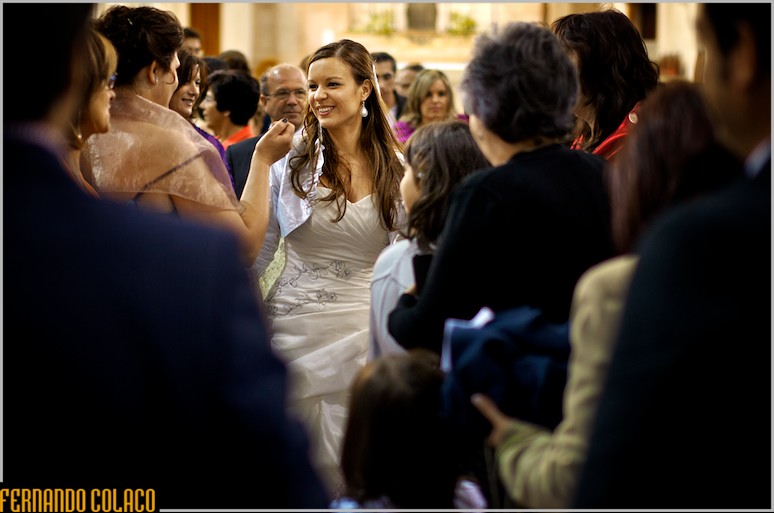
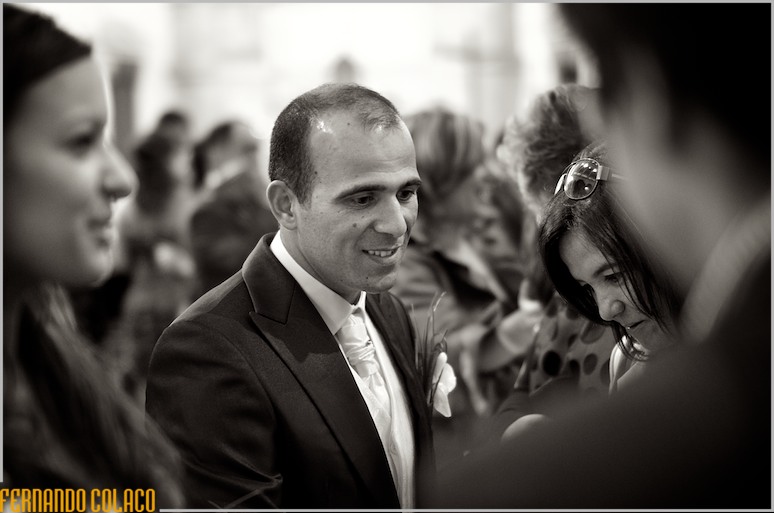
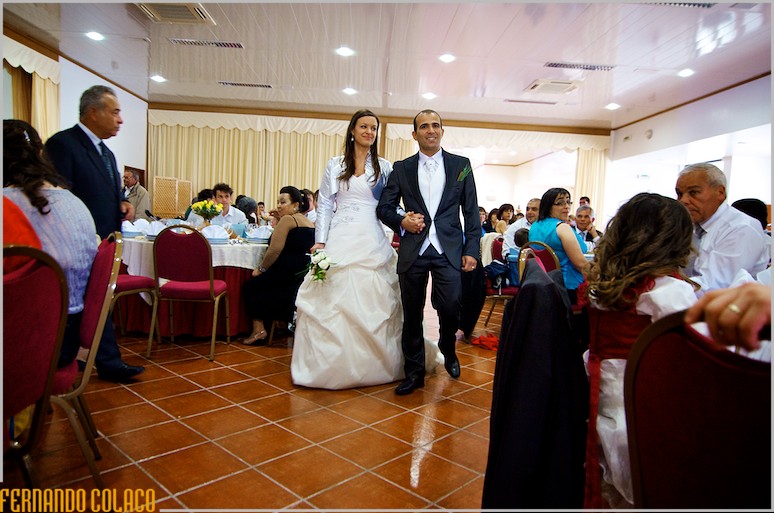
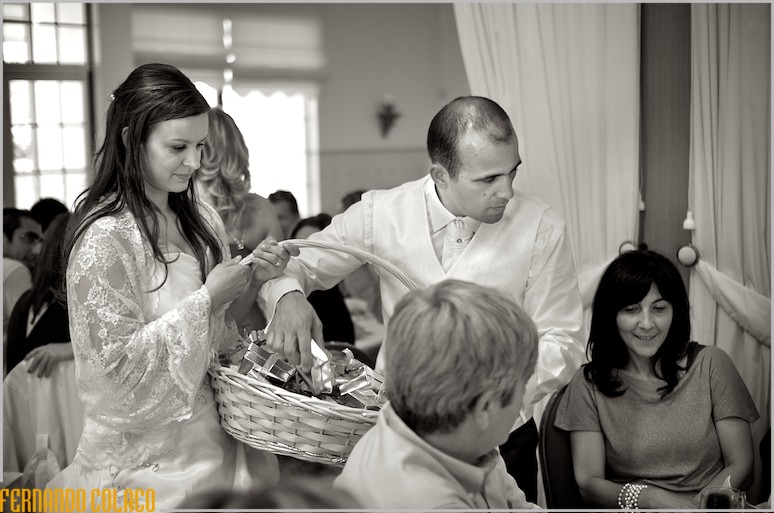
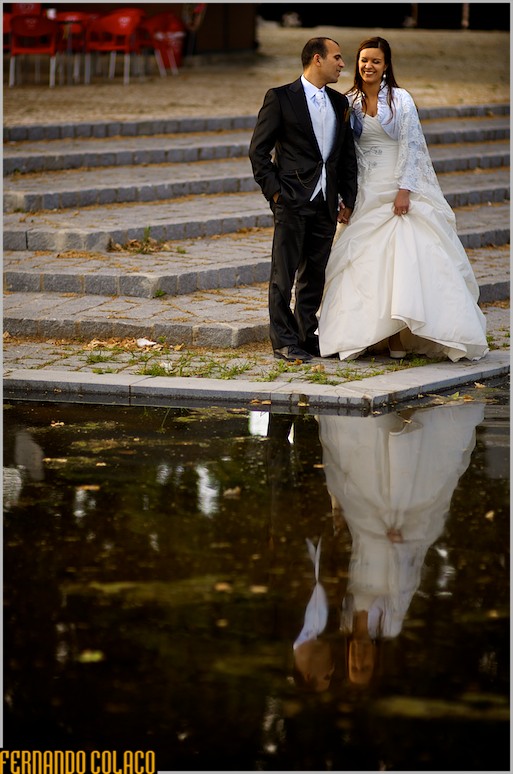
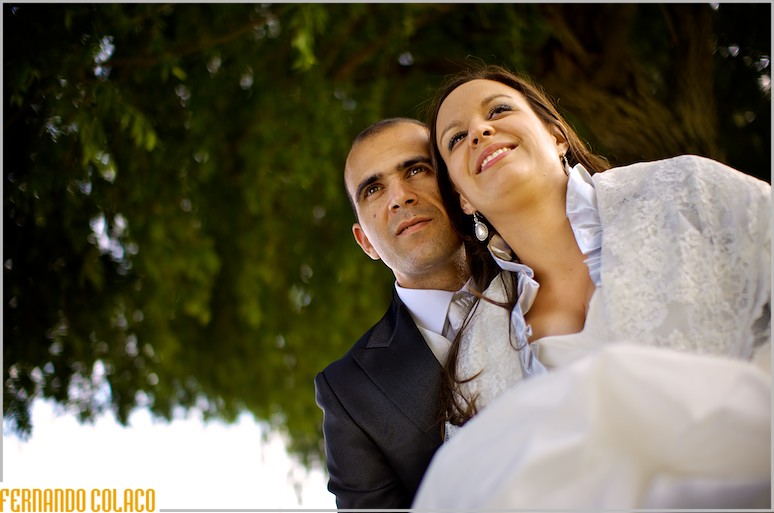
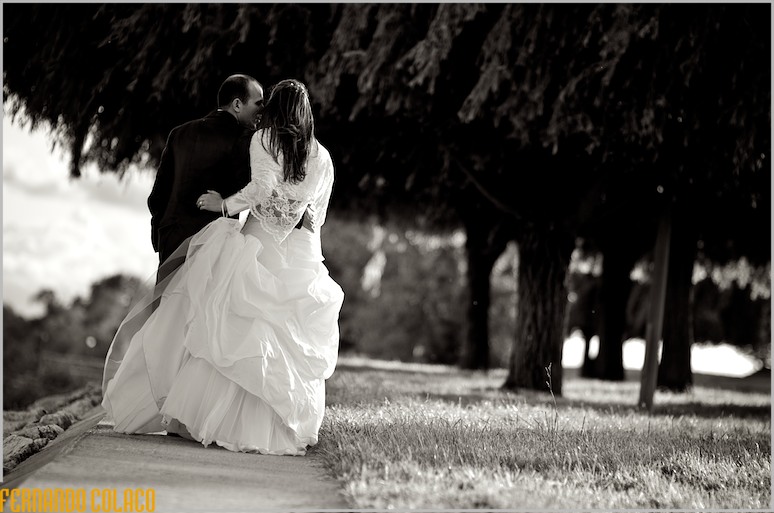
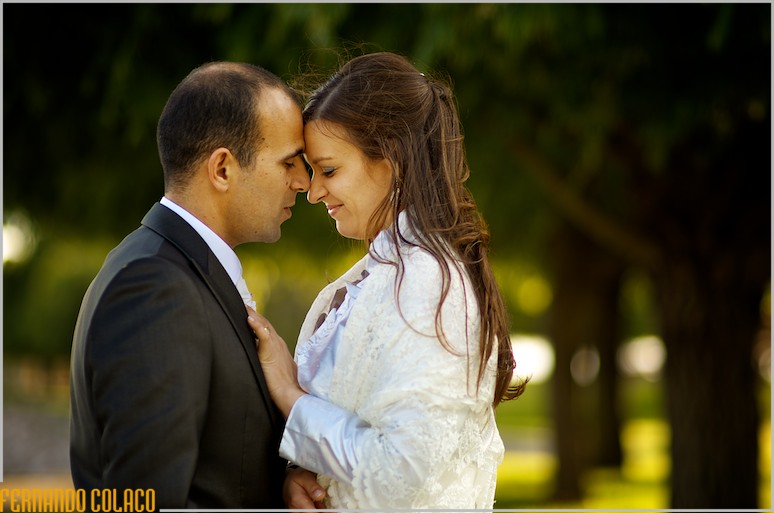
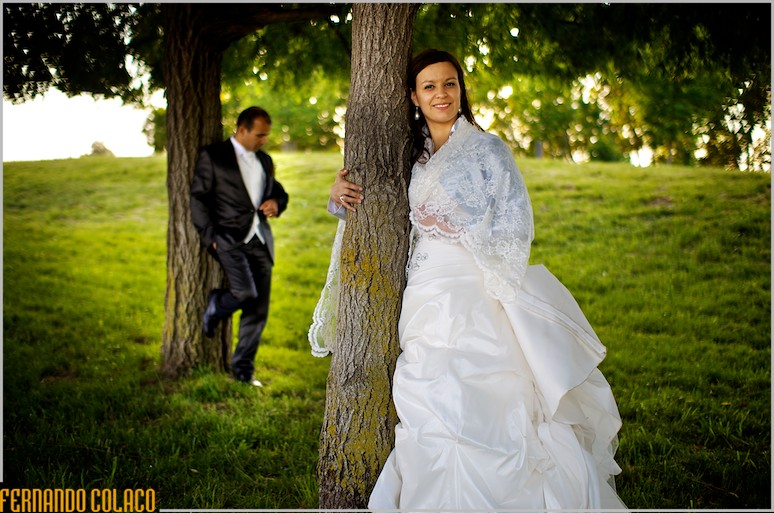
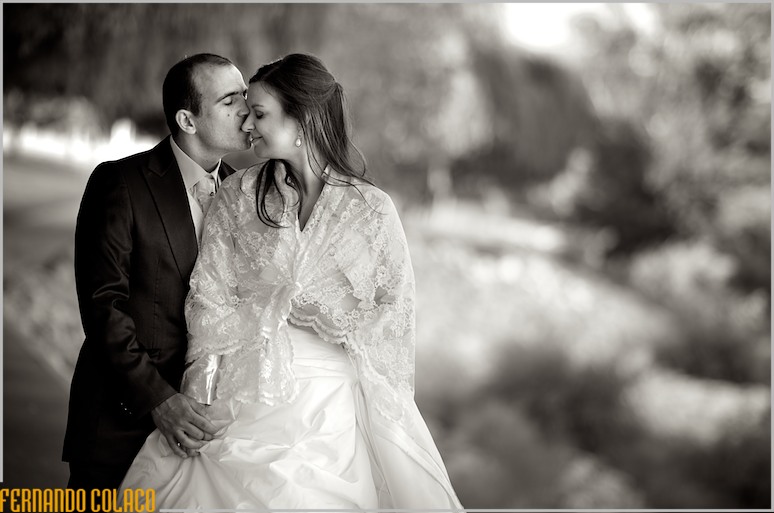
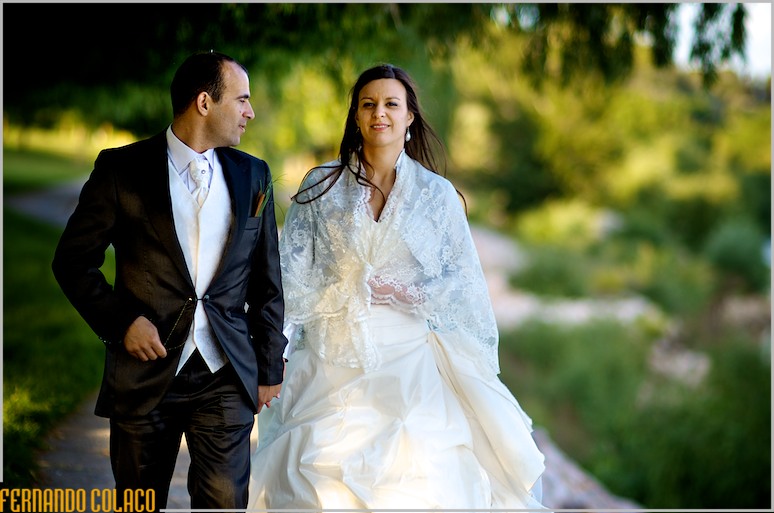
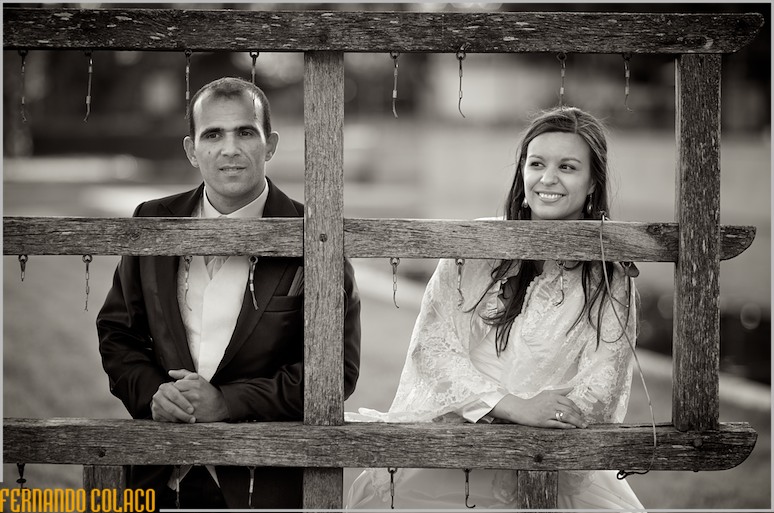
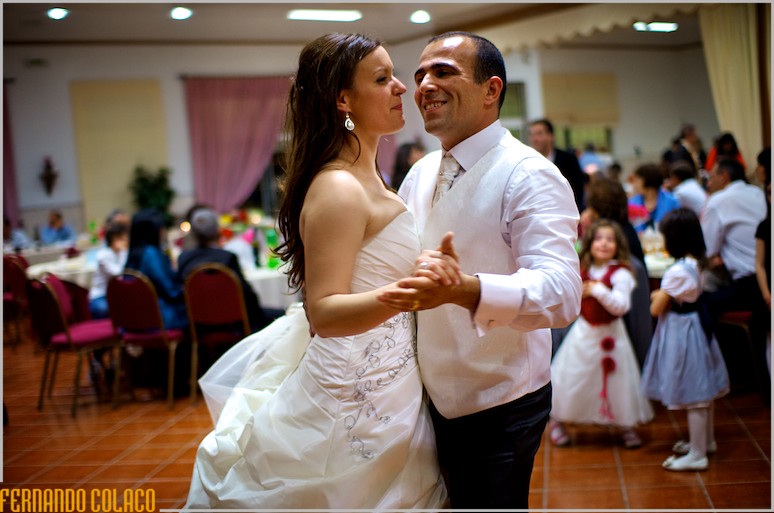
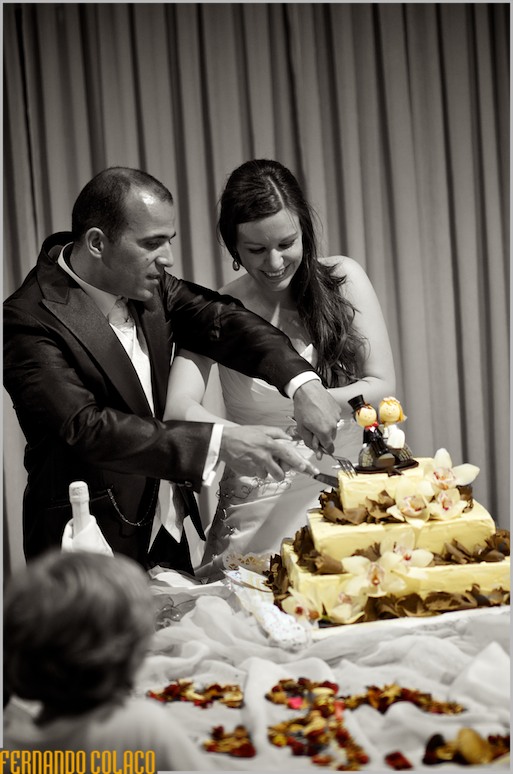
The photos are from a wedding ceremony in the Basilica of Fatima
• Pode ler este artigo em Português.
The Influence of Church Architecture on Wedding Photography

Every wedding photographer knows that the spaces where a wedding takes place have a decisive influence on the images created throughout the wedding day. But there are places where that influence becomes particularly evident, and the church where the wedding ceremony takes place is certainly one of them.
Beyond its religious significance, a church carries history, material, light and a particular sense of scale. All of these elements affect the way we see and photograph the moment.
Architecture is not merely the setting for wedding photographs: it contributes to the atmosphere, shapes the way we look and can become an essential part of the story.
The Importance of People and Space
People will always be at the centre, of course. They are the ones living the story and giving meaning to the images. But the space where everything happens also has a very strong presence.
An attentive wedding photographer notices this within the first few minutes. The way light enters through the windows, how the walls reflect it, how arches frame the bride and groom, or how the architecture leads the eye towards the wedding guests all become part of the photograph.
When I review and edit the images, I become particularly aware of how the architecture of a church remains within each photograph. The stained-glass windows, stone, reliefs, high ceilings, and strong structural lines create an atmosphere that cannot simply be reproduced somewhere else.
It is the combination of people’s emotions and the identity of the space that gives the images another dimension.
Fátima Basilica as an Inspiring Example
Telma and Jorge’s wedding at the Basilica of Fátima was an excellent example of this relationship between architecture and photography. This is a monumental space with a very distinctive presence, requiring respect for the place and a particularly careful approach from the wedding photographer.
The working conditions and existing restrictions require attention and discretion. But those same limitations can also encourage creativity.
- Light filtered through the stained-glass windows creates a soft and deeply atmospheric illumination;
- The scale of the basilica reinforces the importance of the moment experienced by the bride and groom;
- The lines and dimensions of the space make it possible to create images where architecture and emotion coexist.
The challenge was to find the balance between showing the monumental character of the Basilica of Fátima and preserving what truly matters: the gestures, the looks, and the relationship between the bride, the groom, and the people around them.
When Architecture Becomes Part of the Story
A monumental space begins telling its own story long before the wedding ceremony begins. There are places whose identity can be felt immediately, even by people who do not know them or share their religious dimension.
In wedding photography, that identity should not be ignored. On the contrary, it should become part of the narrative.
It is not enough to photograph a beautiful church. You have to understand how that space can contribute to telling what happened on that particular day. A good wedding photograph can show the scale of the place and the intimacy of a single moment at the same time.
- Architectural lines can lead the viewer’s eye towards the bride and groom;
- The scale of the building can reinforce the importance of the ceremony;
- The contrast between stone, light, and human skin can heighten the emotion;
- Details of the space help place the story in a specific time and location.
Conclusion: Architecture as an Integral Part of Wedding Photography
The architecture of a church is far more than a backdrop for wedding photographs. When properly integrated, it becomes a silent character in the story, helping to define the atmosphere and scale of the images.
At the Basilica of Fátima, this presence is particularly strong. The monumental architecture, light, and silence inevitably influence the way the photographs are made. The role of the wedding photographer is to observe, respect, and transform these elements into a natural part of the visual narrative of the wedding day.
In the end, people remain at the centre of the story. But the place where that story happened also helps us remember it in a particular way.
Talk to Me

If you are looking for a wedding photographer who pays attention to the relationship between people, light, and the spaces where their story unfolds, get in touch. I enjoy exploring the architecture of each location and incorporating it into the images without ever allowing the setting to overshadow the emotion.