THE DIFFERENCE THAT IS NOT by THE WEDDING PHOTOGRAPHER IN LISBON
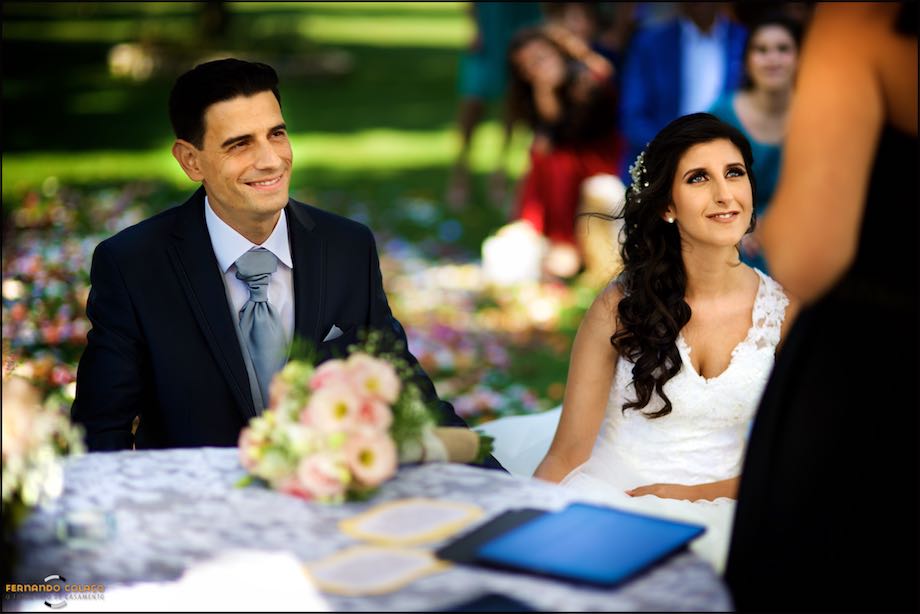
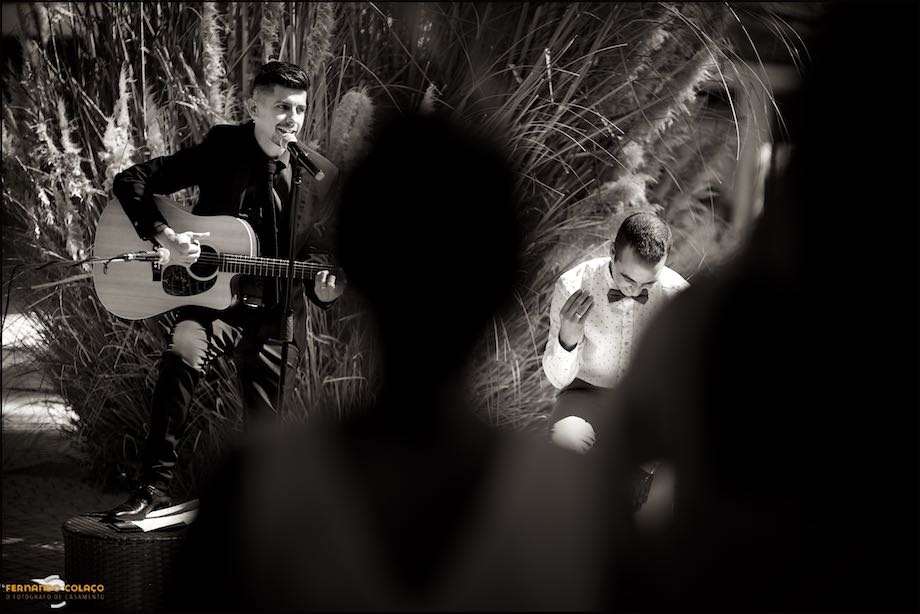
From a set of photographs of a wedding ceremony at Quinta das Riscas in Faias, Montijo.
• Pode ler este artigo em Português.
The Wedding Ceremony: Church or Countryside Venue?
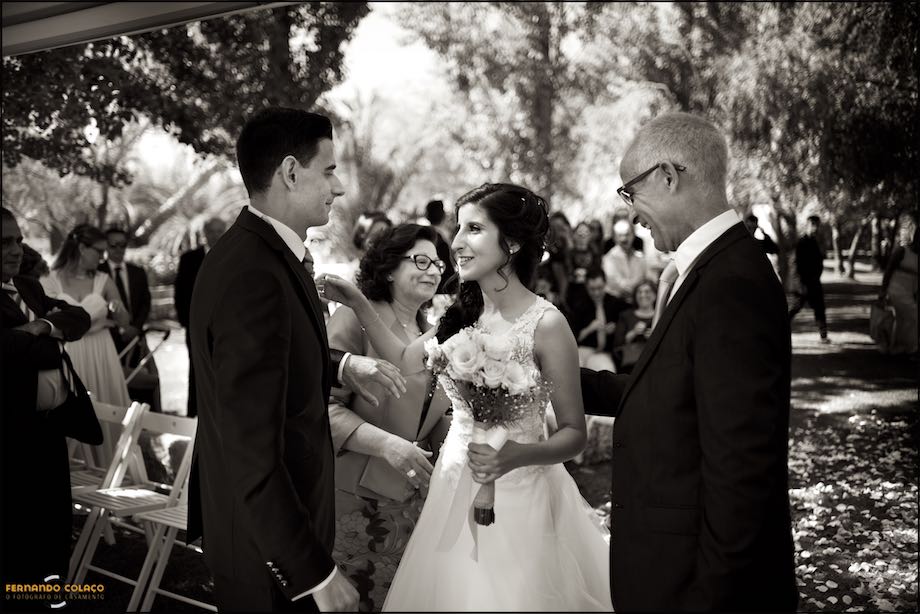
As a wedding photographer, one of the biggest differences on the wedding day is the location of the wedding ceremony.
Whether it’s a religious ceremony in a church or a civil one in a countryside venue, each setting imposes unique rhythms, challenges, and working methods for the photographer.
Context, lighting, available time, and even the layout of the wedding guests directly influence the choices to be made to ensure genuine and emotional wedding photographs.
The Religious Ceremony in a Church

The religious wedding ceremony held in a church usually provides a more controlled and predictable setting. The architecture, stained glass, pew layout, and altar offer a natural and symbolic frame.
Advantages for the wedding photographer:
- Extended time to plan and observe:
- Identify the best angles and lighting points
- Anticipate important moments like the kiss or ring exchange
- Stable and quiet environment:
- Enables capturing expressions of the bride, groom, and guests with subtlety
- Perfect for creating aesthetic and narrative compositions
- Filtered light through stained glass:
- Creates soft atmospheres and golden tones that enrich wedding photography
Church: Time and Aesthetics
- More calm = more observation
- More time = better choices
- More space = more creativity
In a church, the wedding photographer has freedom to explore, experiment, and above all, observe. With breaks between rituals, it’s possible to capture wedding guests, venue details, and small gestures that mark the essence of the moment.
The Civil Ceremony in a Countryside Venue

A civil ceremony, often held in a countryside venue, has a different energy. Generally short and direct, it forces the photographer to act quickly and decisively. Moments pass in a flash, with no do-overs. Improvisation and experience are essential.
Challenges and opportunities:
- Quick pace of the event:
- The ceremony may last less than 15 minutes
- Anticipating every move from the bride, groom, and officiant is key
- Outdoor settings and natural light:
- Harsh sunlight or shadows can make exposure tricky
- Unpredictable elements like wind or background noise must be managed
Countryside Venue: Speed and Instinct
- Less time = more decisions
- More movement = more focus
- More natural light = more technical control
Despite the limitations, wedding photography in a countryside venue can be equally impactful. The key lies in quickly analyzing the space, mentally visualizing the sequence of events, and acting with confidence.
The Photographer’s Adaptation: Method and Instinct
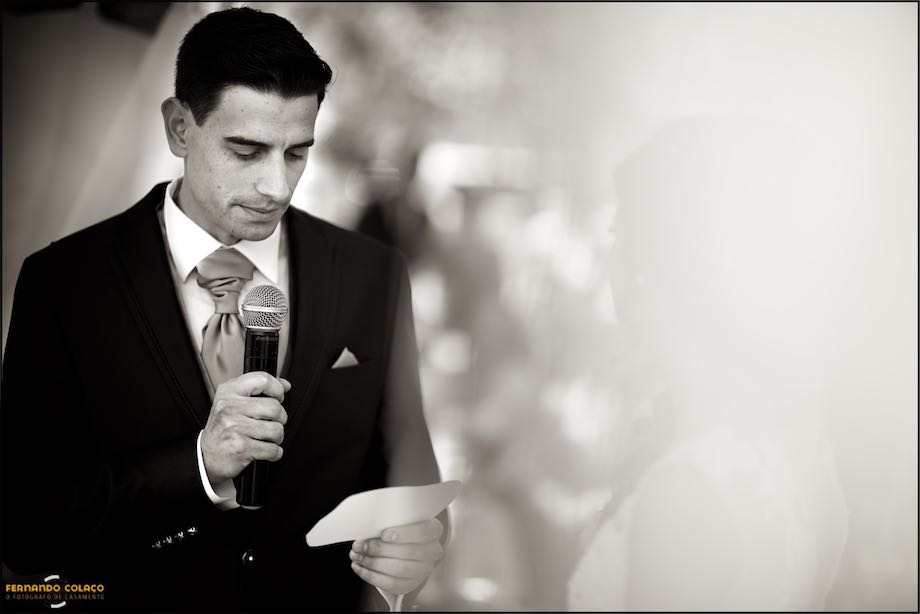
As a wedding photographer, experience is essential. I remember my early days well. Photographing church ceremonies was a great experience.
But when I faced my first civil ceremony in a countryside venue, everything seemed out of control. Time was short, lighting was different, and the pace had changed.
Still, the wedding photographs were created—intense, real, complete.
Over time, I understood that it’s not about one place being better than the other. They are just different realities that require different approaches.
Point by point:
- The church ceremony allows:
- Breathing, waiting, observing
- Creating composed images calmly
- Documenting rituals and small details
- The countryside ceremony demands:
- Speed, instinct, focus
- Knowing exactly where to be and when to shoot
- Adapting to the light on the spot
My method became my ally. Today, preparation starts before the ceremony. I observe, evaluate the space, identify guest dynamics, study the bride and groom’s gestures, and mentally prepare to tell the story truthfully—with beauty, emotion, and authenticity.
Telling the Wedding Day Story
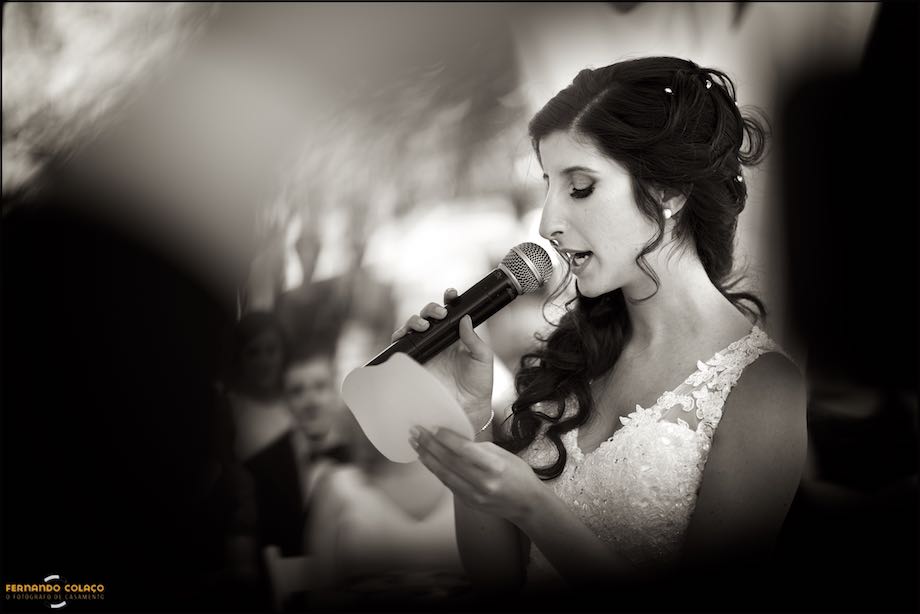
Regardless of the location of the wedding ceremony, what truly matters is the narrative. Every wedding is a unique story. And my role as a wedding photographer is to tell it with images.
The story of the bride and groom, their glances, laughter, tears, and shared gestures. The place may change, but the mission remains the same.
- Church or countryside venue?
- Both have their charm
- Both require sensitivity and technique
- What doesn’t change:
- Attention to detail
- Respect for the moment
- Passion for photographing real stories

Conclusion:
The difference between photographing in a church or a countryside venue lies in the rhythm and demands of the moment. For the wedding photographer, adaptability, sensitivity, and a clear method are crucial.
Each space has its soul, and the challenge remains: to tell the most important day in a couple’s life through images. Wherever it happens, photography is the bridge between the lived moment and the memory that remains.
Let’s talk: your story might be next
I’ll show you how every wedding can be told with truth, emotion, and creativity. I have many albums to share — and many stories to inspire you.
- The photos of the post were taken at Quinta das Riscas in Montijo, Portugal, during the wedding ceremony.