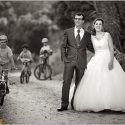
THE THREE TOOLS by THE WEDDING PHOTOGRAPHER IN PORTUGAL

Photos of the bride and groom on their wedding day, their first dance, and more
• Pode ler este artigo em Português.
The evolution of a wedding photographer: from directing to observing

The path of a wedding photographer is one of change, experience, and constant adaptation to what each couple requests, often without saying it.
When I started, the dominant style was marked by rigid poses, constant direction, and almost total control of the wedding day moments. But it was precisely during this transition phase that I found my way.
My first experience as a wedding photographer was almost accidental, but defining. Others followed, working with a friend who was already a seasoned professional.
His style still bore the weight of tradition: constant direction of the couple, frequent interruptions to capture formal images, and a predefined list of mandatory shots. I entered these weddings as an executor of an already written script.
Still, even with some creative freedom, there was always that comment at the end: “You forgot this”, or “How will I make the album now?” But I knew that, in between the imposed moments, I had managed to capture the truly unique ones — the ones that tell the real story of the ceremony.
The birth of a style: photographing the wedding without interference
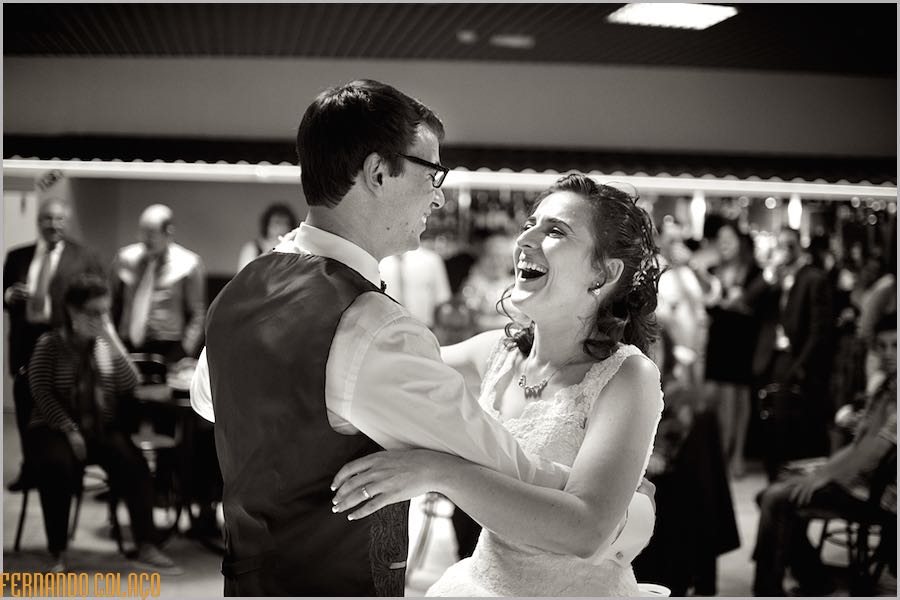
When I started working with my clients, my approach changed radically. I stopped directing and focused on observing. I was always clear with couples: live your wedding day as if I weren’t there.
The photographer’s presence should be discreet, almost invisible, and the wedding photos should reflect that.
How I started working:
- I avoid interfering in natural moments between the groom, bride, and wedding guests
- I only guide when necessary, such as in the portrait session
- I let moments unfold authentically
- I capture with a narrative focus, not artificial setups
I committed to telling a real story, just as it happened, through wedding photography. That meant developing new skills — observation, reaction speed, and anticipation.
From objects to people: a continuous learning journey

Before becoming a wedding photographer, I used to photograph products: detergents, bottles, and packaging. Everything required perfection, meticulous composition, and full scene control.
Transitioning to weddings was a creative shock. From a controlled environment, I moved to a scenario where everything happened in real time.
Differences I noticed early on:
- Instead of controlled lighting, I had to deal with constantly changing natural light
- Instead of static objects, I had to follow the unpredictable movements of real people
- Instead of predefined layouts, I adapted to chaos and spontaneity
That chaos taught me to create harmony. The spontaneity of weddings forced me to always stay alert, to anticipate moments before they happened, and to react quickly without losing aesthetic value. Today, those three tools are part of my core as a photographer:
My three essential tools:
- Observation: to spot the unnoticed
- Reaction speed: to capture the right moment without interrupting
- Anticipation: to be in the right place before it happens
Respecting the couple’s day

On the wedding day, everything happens with intensity and emotion. It’s a unique and unrepeatable moment for the couple and their guests. As a photographer, my role is to respect that dynamic, not control it.
What I value in each wedding:
- Authentic moments between the couple and their families
- Spontaneous smiles, unexpected tears, meaningful glances
- Body language, ambient details, and subtle gestures
These are the elements that make a wedding photograph truly memorable. They are not just beautiful images: they are meaningful pieces of history.
In summary: the journey so far

Point by point, here’s how my wedding photography evolved:
- I started with a formal, directed style. I followed that stage but felt something was missing.
- With my clients, I adopted a documentary approach: freedom, respect, and minimal interference.
- I created a method based on observing, anticipating, and reacting — three pillars that help me capture what truly matters.
- I stopped chasing the perfect image and started telling full stories.
Conclusion:
Being a wedding photographer today means more than mastering a camera. It means understanding the energy of each ceremony, being present without imposing, and capturing without interrupting. It means telling a story without writing the script—just by observing it unfold.
That’s the approach I bring to each wedding: discreet, natural, and deeply authentic photography.
Let’s talk?
If you value a natural, unobtrusive approach to your wedding photos, I’m available for a chat. Every wedding is unique and deserves to be told with honesty.